Key Perks of Recycling Electronics: Why You Shouldn't Discard Your Gadgets
Electronics recycling offers many benefits that extend beyond simple disposal. Many people overlook the ecological harm caused by e-waste, which contains hazardous materials. Additionally, recycling can preserve valuable natural resources and generate local jobs. It also provides a way to organize homes while possibly yielding financial returns. Understanding these advantages is crucial. What are the particular impacts of responsible recycling practices? The answers may surprise you.
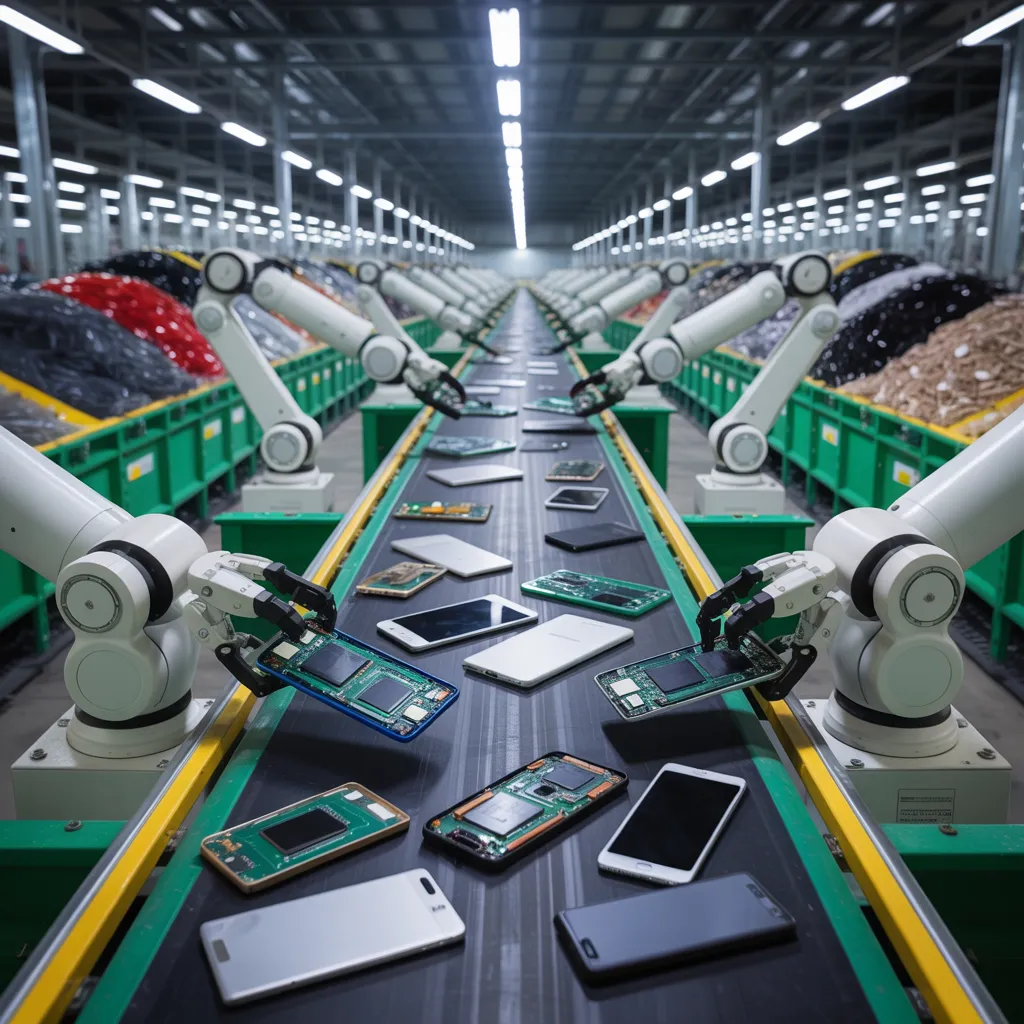
The Ecological Influence of E-Waste
As tech equipment become increasingly integral to modern life, the issue of e-waste has appeared as a significant environmental challenge. Unwanted electronics lead to a growing global emergency, with millions of tons of e-waste produced annually. This waste often holds hazardous materials such as lead, mercury, and cadmium, which can infiltrate into soil and water, posing serious health risks to ecosystems and communities.
Additionally, improper disposal of e-waste intensifies pollution and exhausts valuable resources. Landfills loaded with electronics can discharge dangerous vapors, while the resource-heavy procedures required for manufacturing new devices contribute to elevated CO2 levels.
The accumulation of e-waste not just endangers biodiversity but also shapes air and water quality. As the digital age keeps growing, confronting the environmental footprint of e-waste through responsible recycling and disposal will be essential in mitigating these detrimental effects on the planet.
Electronics Reclamation and How It Maintains Natural Resources
A significant amount of valuable materials can be recovered through electronics recycling, making it an necessary practice for safeguarding natural resources. Electronic devices contain valuable metals such as gold, silver, and copper, which can be harvested and reused, reducing the need for new mining operations. Mining is often energy-intensive and destructive to ecosystems, leading to deforestation and pollution.
By recycling electronics, the demand for virgin materials declines, conserving water, energy, and other resources used in extraction and processing. Additionally, recycling works to stop hazardous substances found in e-waste, like lead and mercury, from contaminating the environment.
This approach not only decreases ecological impact but also supports eco-conscious resource utilization. Ultimately, electronics recycling is essential to developing a circular economy, where items are given new life rather than thrown away, thereby guaranteeing that environmental assets are safeguarded for subsequent generations.
Tech Waste Recycling Positive Impacts for Local Communities
Electronics recycling yields worthwhile advantages for local communities by developing new employment opportunities in the green sector. In addition, it reduces environmental harm, encouraging cleaner and healthier living conditions. These positive effects instill a sense of shared community responsibility and long-term environmental stewardship.
Career Creation Possibilities
Converting unwanted electronics into useful materials creates substantial employment opportunities within local areas. Electronics reclamation centers require a diverse workforce to oversee the gathering, organizing, and processing of e-waste. This sector not only generates positions in recycling plants but also promotes ancillary jobs in logistics, delivery, and distribution of restored items. Local markets benefit from the influx of employment, contributing to local strength and development. Additionally, training programs often emerge alongside these efforts, equipping individuals with expertise in tech and environmental management. As communities embrace recycling programs, the potential for employment generation becomes a compelling reason for people to participate in responsible disposal methods, ultimately creating a more sustainable and financially thriving environment.
Environmental Harm Reduction
Recycling e-waste dramatically cuts environmental impact, fostering healthier communities. Disposing of e-waste properly prevents harmful toxins, like Pb and mercury, from contaminating land and water sources. When electronics are recycled, valuable resources, including metals and plastics, are retrieved and repurposed, reducing the need for new raw materials. It also decreases energy consumption and greenhouse gas emissions tied to making new products. Additionally, local communities benefit from improved public health as toxic substances are kept out of landfills. Neighborhoods can improve their environmental quality through responsible recycling initiatives, paving the way to a sustainable future. Electronics recycling ultimately supports community resilience and preserves natural ecosystems for years ahead.
The Way Tech Recycling Helps You Clear Out Your Home
Recycling electronics provides a workable solution for people wanting to clear out unused devices. By properly handling outdated gadgets, one can generate valuable space in their home. This process not only reduces clutter but also fosters a neater living environment.
Remove Unused Equipment
Clearing out unwanted devices can significantly make more organized a home and build a more organized living environment. Many households collect outdated electronics, such as old phones, laptops, and gaming consoles, which occupy valuable space. By recycling these items, people can streamline their living spaces, making it easier to find essential tools and enjoy a tidier atmosphere. Furthermore, this practice not only helps personal organization but also promotes responsible disposal of hazardous materials found in electronics. Taking part in electronics recycling ensures these devices are dealt with properly, preventing potential environmental harm. Ultimately, clearing out unused gadgets encourages a sense of achievement and fosters a more minimalist lifestyle, improving overall well-being.
Build More Area
Shifting a cluttered area into an organized haven commences with the thoughtful disposal of aging devices. Countless residences accumulate aging gadgets that not only occupy important space but also contribute to a disorganized environment. By taking part in electronics recycling, folks can effectively reclaim this room and promote a more calm atmosphere. Salvaged electronics are commonly separated, allowing for the retrieval of components that can be reused, thereby preventing waste from ending up in landfills. This process not only clears unwanted clutter but also offers peace of mind, realizing that the devices are being handled conscientiously. Ultimately, device recycling establishes a more systematic home while supporting planetary sustainability, making it a win-win solution for both dwellers and the planet.
Financial Advantages of Electronics Recycling
Properly recycling electronics offers noteworthy monetary benefits for both consumers and companies.) By properly disposing of old electronics, individuals can recoup some of their investment through resale or trade-in programs. Numerous retailers and manufacturers offer incentives, including cash or discounts on new purchases when customers recycle their outdated gadgets.
For corporations, electronics recycling can provide cost savings by reducing waste disposal fees and decreasing landfill taxes. Besides, entities focused on green practices can enhance their brand reputation, engaging eco-aware consumers.
Additionally, recovered materials from discarded devices, such as metals and plastics, can be reused, contributing to lower production costs in new devices. This not only creates income for recycling firms but also promotes a circular economy, ultimately helping the broader community. By embracing electronics recycling, both individuals and businesses can experience tangible financial savings while advancing environmental sustainability.
Tips for Properly Reprocessing Your Outdated Electronics?
Properly discarding old electronics requires careful consideration to guarantee both environmental safety and adherence to regulations. People should commence by finding regional e-waste recovery programs, which often supply designated drop-off locations or collection events. Several municipalities and retailers make available safe disposal options for outdated gadgets.
Prior to disposing of, it is essential to secure all personal data and conduct a factory reset on equipment to preserve privacy. Furthermore, taking out batteries from electronics is necessary, since they require separate handling because of their unsafe components.
Furthermore, consumers ought to refrain from putting electronics in regular trash bins, as this can contribute to landfill waste and environmental contamination. Investigating qualified electronic waste recycling companies is advisable, as these organizations follow proper procedures to ensure responsible recycling. By taking these steps, individuals can help create a environmentally friendly tomorrow while ensuring that their old electronics are disposed of responsibly.
Frequent Myths About Electronics Reclamation Clarified
What are some common myths regarding the procedure of electronics recycling? Many individuals incorrectly assume that all electronic gadgets undergo recycling the same manner. Recycling methods differ considerably based on the category of equipment and materials included. Another widespread myth claims recycling electronics is not beneficial for the environment. Effective recycling prevents hazardous substances from polluting landfills and recovers valuable resources. Others believe recycling is too difficult, but many centers offer simple drop-off or pickup options. A common belief is that only broken or outdated devices are suitable for recycling. However, functioning devices are often refurbishable and reusable, thus extending their lifecycle. Finally, many people think that recycling electronics is costly. Often, recycling programs are free or come with incentives. Correcting these misconceptions supports responsible disposal and encourages more people to engage in electronics recycling.
Common Inquired Questions
Which Classes of Electronics Are Able to be Recycled?
Various electronic equipment like smartphones, computers, televisions, printers, and tablets can be recycled. In addition, peripherals such as keyboards, mice, and chargers are accepted, supporting waste reduction and the recovery of valuable materials for reuse in new products.
Do Costs Exist When Recycling Electronics?
Fees for recycling electronics can differ. Some facilities levy a nominal fee for particular products, while others provide complimentary options. It is recommended to contact local recycling centers for their specific terms and conditions.
Can I Contribute My Old Electronics Instead?
Yes, outdated electronics can often be given to charitable organizations, schools, or community associations. Many organizations receive operational gadgets, giving a new purpose for electronics while similar resource assisting those in hardship, thereby advancing environmental responsibility and mutual aid.
How Do I Ensure My Data Is Wiped?
To guarantee data is wiped, one must use software designed for secure data erasure, initiate a factory reset, or physically destroy the storage device. Each method ensures that private details becomes unretrievable to others.
How Are Recycled Electronics Processed?
Recycled electronics go through disassembly, where precious parts are separated. Materials including metals, plastics, and glass are processed for recycling, reducing refuse in landfills and advancing sustainable resource recovery while reducing environmental impact and maintaining finite materials.